“Music is a world within itself, with a language we all understand.” — Stevie Wonder

After twenty-five years in the classroom, people sometimes assume I’ve seen it all. Or that by now, I’ve found the “perfect” set of assignments and could essentially teach on autopilot. But that has never been my philosophy. If anything, the longer I teach, the more deeply I believe that students deserve learning experiences that feel relevant, meaningful, and connected to the world they actually live in.
Every year, I challenge myself to rethink at least one beloved old assignment. To twist it, stretch it, or flip it into something that sparks curiosity in a new way. This fall, it happened with one of my favorites: the Song Analysis Project. Normally, students choose a song they love and dig into the lyrics, context, and cultural impact. It’s engaging, sure, but I kept wondering if I could push them toward something deeper.
And then an idea hit me:
What if they analyzed music not from their generation, but from their parents’?
Suddenly, the assignment became something richer than just literary analysis. It became a bridge.
The Generational Music Study: A Twist on a Classic
I introduced the project by telling students they would analyze a song that was popular when their parent, or guardian, was in 11th grade. The same age they are now.
The reactions were priceless.
Raised eyebrows. Nervous laughter. Groans of “My mom listens to weird stuff.”
And of course: “Does this mean I have to talk to my parents?”
Yes. Yes, it does.
Because at its heart, the assignment isn’t just about music literacy. It’s about opening up conversations that might not happen otherwise.
Teenagers don’t always ask their parents what they listened to at 16 (or why a certain band or lyric meant something to them). But that’s where the learning takes place. When students start researching the time period, the social climate, the artist’s background, and the cultural movements attached to a song, they begin to see their parents not just as adults, but as former teenagers with hopes, fears, identities, and soundtracks of their own.
Those connections matter.
An Assignment with Purpose
The project aligns beautifully with many learning targets: examining how personal experience shapes understanding, interpreting multimedia texts through cultural and critical lenses, and recognizing how media reflects the world that produces it. Music is one of the purest examples of that.
But the magic of this assignment isn’t in the standards. It’s in the conversations we had.
Those moments remind me why I keep reinventing my classroom year after year.
What Students Actually Do
The academic side is still robust. Students research:
- The song’s origins, meaning, and songwriter intent
- The cultural and political climate of its release
- The artist’s background and influences
- Line-by-line interpretations
- The song’s intended audience
- Its impact on charts, culture, or later musicians
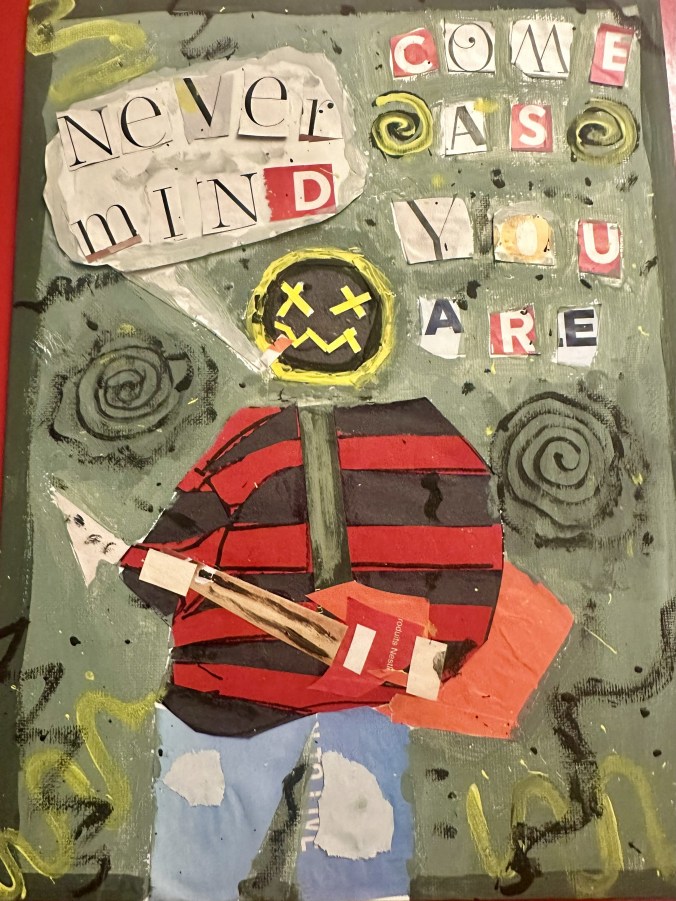
They can also compare the song to one from today, design a visual representation, interview a family member, or create multimedia presentations.
But underneath all of that is something more human:
Students are exploring how music helps people make sense of their world. Also, how the same age, in a different generation, can look and feel both familiar and completely different.
Why I’ll Keep Reinventing
The world changes, students change, and so should we.
This Generational Music Study leads to authentic conversations. Students aren’t just learning about metaphor or historical context. They are also learning about the people who raise them, the world that shaped those people, and the power of music to connect generations in ways words alone sometimes can’t.
At the end of the day, that’s why I keep trying new things. Because when students discover that learning can connect them to their families, their histories, and themselves. That’s when teaching still feels brand new.
And after twenty-five years, and several more to go, that’s a feeling worth chasing.
*If you are a teacher and want to know more about this assignment, email me at:
amy.waldo@gwinnschools.org
 Glitter and Dog Hair